The Wall Street Journal featured Structured AI's story — from hacking on prototypes in London to raising $500k in San Francisco in a single week and landing a spot in Y Combinator. The coverage by journalist Anvee Bhutani highlighted why a team of Oxford graduates chose to tackle one of the most overlooked productivity problems in the construction industry: the manual, repetitive engineering workflows that consume over a third of design professionals' time. For an industry that builds the world's infrastructure, AI for construction is no longer a speculative bet — it is a practical necessity.
Why Construction Engineering Workflows Need Automation
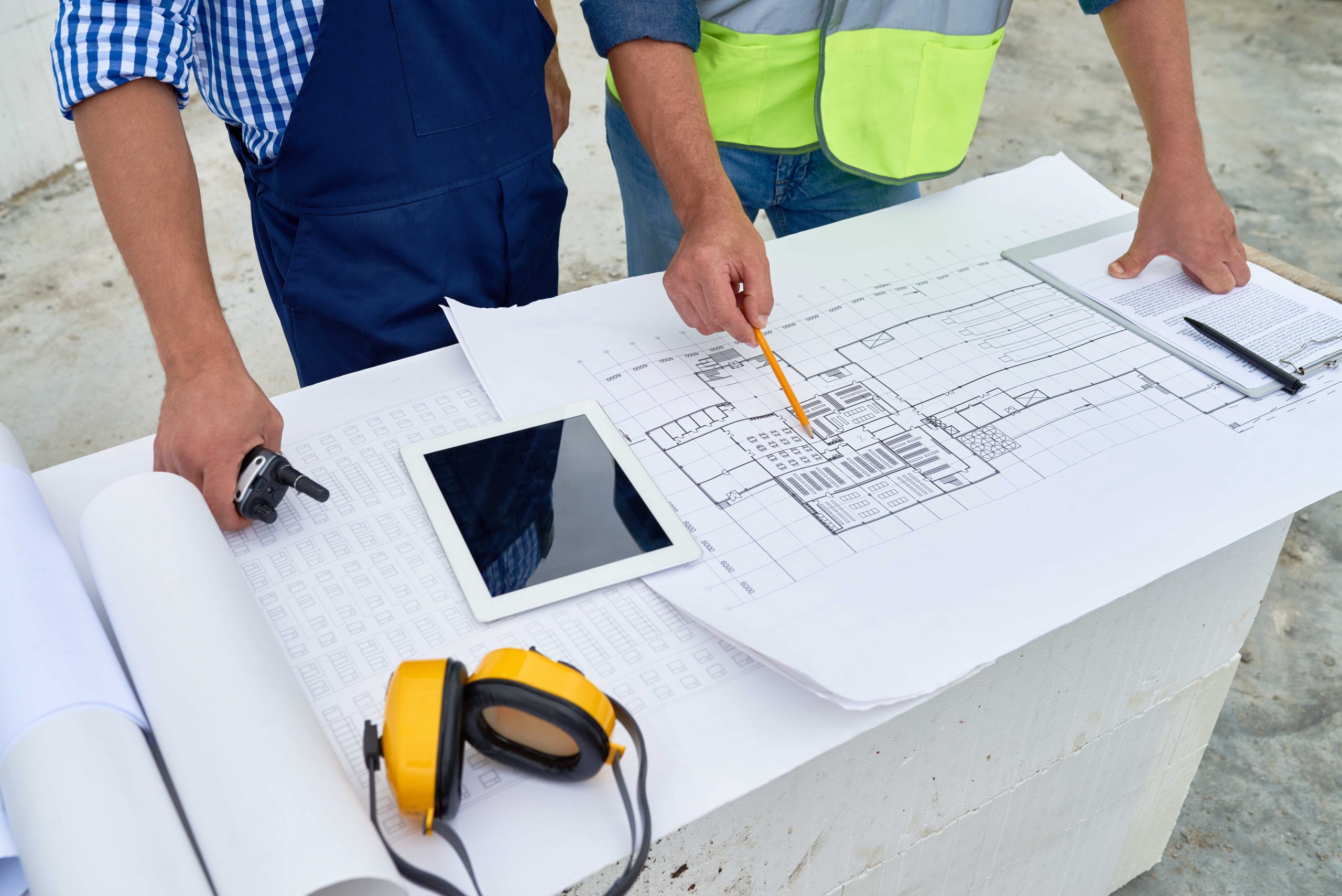
Every construction project generates hundreds to thousands of engineering drawings across structural, mechanical, electrical, plumbing, and civil disciplines. These drawings must be reviewed for MEP drawing errors, cross-referenced against specifications, checked for code compliance, and coordinated between disciplines. Engineering drawing QAQC is the backbone of project quality — and it is almost entirely manual.
The cost of this manual approach is staggering. Construction rework caused by design errors accounts for 5 to 12 percent of total project costs. A single missed coordination conflict between an HVAC duct and a structural beam can generate a change order worth tens of thousands of dollars. Multiply that across dozens of sheets and multiple revision cycles, and the aggregate impact on project budgets and schedules becomes severe. Construction document review at this scale demands tools that match the volume and complexity of modern projects.
How Engineering Teams Handle Design Review Today
Engineering design QA relies on experienced professionals reviewing drawings manually. A structural engineer checks connection details and load paths. An MEP engineer verifies equipment schedules, pipe sizing, and duct routing. A civil engineer validates grading, drainage, and site layout. Each discipline performs its own construction drawing review, often in isolation, and coordination between disciplines happens through meetings, redline markups, and email chains.
This process works — until it does not. When project timelines compress, review thoroughness suffers. When senior reviewers are stretched across multiple projects, consistency drops. When revision cycles accelerate, the manual cross-referencing that catches specification mismatches and drawing conflicts cannot keep pace. The engineering talent shortage makes this worse: there are simply not enough experienced reviewers to handle the volume of engineering drawing validation that modern projects require.
How AI Agents Transform Design Engineering Productivity
The Wall Street Journal's coverage highlighted Structured AI's approach: building AI agents that work inside the engineering tools professionals already use, automating the repetitive workflows that dominate their workdays. Here is what that means in practice:
Automated Design Review at Scale
AI agents scan full drawing sets and perform automated design review — checking for MEP drawing errors, code compliance issues, and coordination conflicts. AI for structural engineering catches connection detail errors. AI for MEP engineering identifies duct-to-beam clashes and equipment schedule mismatches. AI for civil engineering validates site grading and drainage against code requirements. This systematic automated plan review replaces the inconsistent manual process that misses errors under deadline pressure.
Engineering Drawing Validation and Coordination
Design coordination AI connects the review process across disciplines. Rather than each team reviewing in isolation, AI agents identify conflicts between structural, MEP, and civil systems automatically. Engineering drawing validation ensures that what appears on the drawings matches specifications, schedules, and code requirements — the cross-referencing work that consumes the most reviewer time. By performing this work systematically, AI agents help teams reduce construction rework and deliver cleaner drawing sets to the field.
From London to Y Combinator: Building for Engineering Teams
The Wall Street Journal traced Structured AI's path from its founding in London by Oxford graduates to its rapid fundraise in San Francisco and acceptance into Y Combinator — one of the world's most selective startup accelerators. What resonated with the Journal's audience was the specificity of the problem: this is not a generic AI play. It is a focused effort to automate the construction document review and engineering drawing QAQC workflows that every engineering firm struggles with on every project.
Y Combinator's backing validates the market opportunity. Construction is a $10 trillion global industry where productivity has remained flat while every other sector has modernized. The firms that adopt AI agents for automated design review and construction drawing review are positioning themselves to deliver projects faster, with fewer errors, and at lower cost — exactly the competitive advantage that engineering clients are beginning to demand.
Conclusion
The Wall Street Journal's coverage of Structured AI reflects a larger industry truth: the construction sector's manual workflows are reaching a breaking point. The engineering talent shortage, increasing project complexity, and persistent construction rework make the status quo unsustainable. AI for construction is the path forward.
Automated design review, engineering drawing QAQC, and design coordination AI are not replacing the engineers who design our buildings and infrastructure. They are removing the repetitive work that prevents those engineers from doing their best thinking. That is the story the Journal told, and it is the reality that engineering firms across the industry are beginning to embrace.

Want to see how AI-powered design review can work for your team?
Book a Demo